Modern plumbing is one of the great wonders of both modern engineering and human evolution. It blends so seamlessly into our lives that “flows like tap water” is synonymous with simplicity. But behind the clean potable water we rely upon every day for drinking, cooking, baths, showers and laundry there’s an intricate system of supply and sewer lines, designed to circulate safe and treated water throughout the city. That’s why backflow prevention devices are so important. Since San Francisco’s water supply is a shared resource, it’s imperative that all users prevent dangerous contaminants and chemicals from washing back into the system.
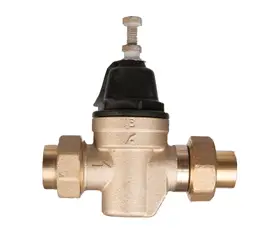
It might seem gross, but think for a minute about sharing a beverage with someone. Whether they drink from a straw or sip it straight, germs can back wash into the rest of the container, bacteria can also linger on the straw, can or bottle rim, or cup lip. A backflow prevention device is a one-way valve that prevents this from happening in a plumbing system. It’s a must-have safety measure for labs, factories, food processing facilities, or basically anywhere potable water comes into contact with contaminants.
What types of backflow prevention valves are most common?
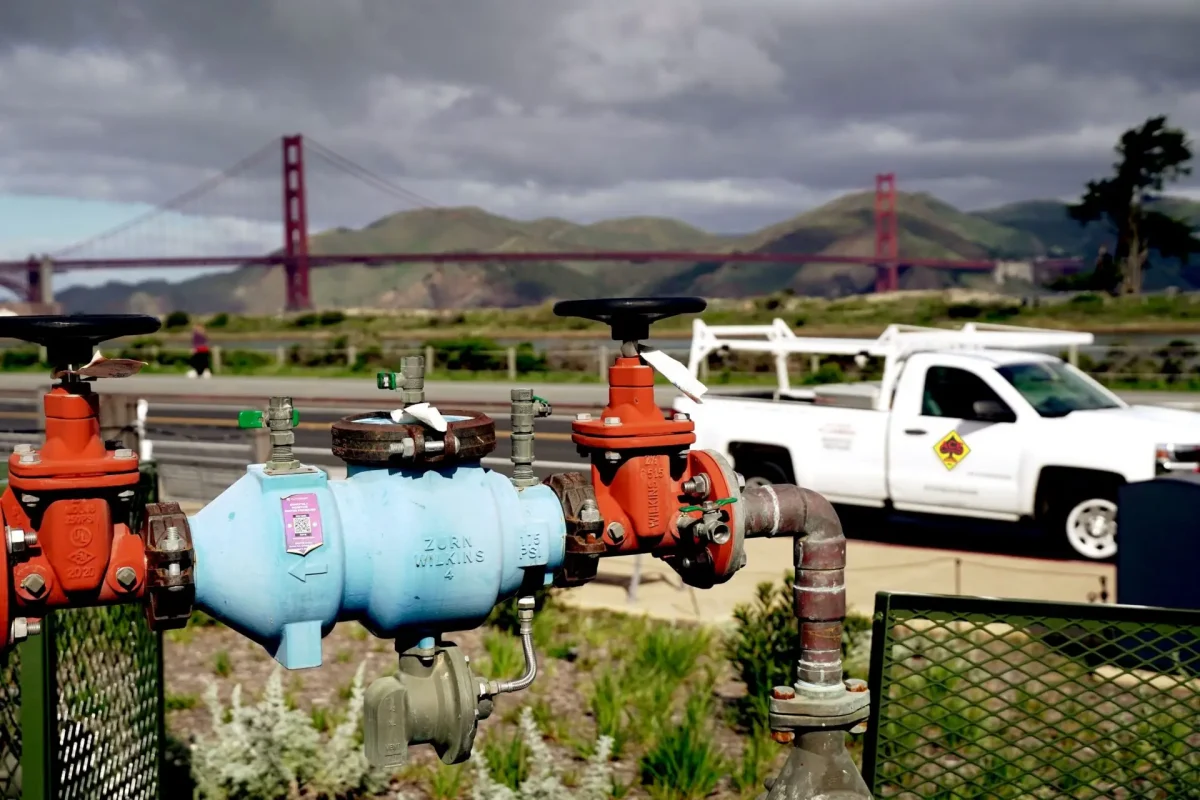
- Pressure Vacuum Breaker (PVB) – since residential properties often only have one water service (drinkable water), these devices are used to prevent backflow from irrigation systems outside the home. These single-check valves typically last for 5 years, but some of the components (o-rings, poppets, etc.) can wear out more quickly with heavy use or extreme weather conditions. Most often used in low-hazard settings.
- Double Check Assembly (DCA) – like the RPZ, offers two valves for extra safety. A higher line of defense than a PVB.
- Reduced Pressure Zone (RPZ) – these valves typically have two check valves and a relief valve (a place to dump potentially contaminated water). Water supply enters the building and or feeds into a boiler system, irrigation system, or fire sprinkler system, along with higher risk settings where hazardous waste and dangerous chemicals are present.
How Backflow Prevention Works
Backflow valves typically sit behind drywall and tile, close to where the water supply lines meet the faucet or spigot. Pressurized water can push through the valve and out the fixture, but water cannot flow back in. Imagine a hose connected to a fixture that’s submerged into a sink or bucket filled with contaminated liquid. The moment the water supply is stopped, it is possible for contaminated water to flow back into the line. This is where the backflow prevention valve stops this from happening.
In San Francisco, all backflow devices are required to be tested annually for proper functionality. Regularly scheduled tests by a licensed and trained professional can ensure there is no risk of contamination to the city’s water supply. Our friendly technicians can test your entire backflow protection system and provide the certification you’ll need to prove compliance.
If your valve is deteriorating or broken, Ace Plumbing & Rooter can repair or replace it with as minimal disruption to your facility or workflow as possible. Call today to schedule your inspection or service call.