Key Takeaways
- San Francisco’s unique landscape, historical buildings, and plumbing infrastructure make it impossible to estimate a standard price range for trenchless sewer replacement over the phone without a site visit
- While polyethylene and CIPP (cured-in-place pipe) lining are two popular forms of trenchless sewer replacement, only polyethylene is approved per San Francisco city code for residential projects
- Trenchless sewer replacement is one of three primary options homeowners may consider based on the extent of the damage to their sewer line and the location of that damage. The other two options are a conventional sewer line replacement using cast iron pipe per San Francisco city requirements, or a spot replacement if the damage is less than 10 feet in length.
- Length, depth, and location of the damaged sewer line pipe will determine if trenchless sewer replacement is a viable option to consider. Hill slope, historical brick driveways, and landscaping are among the many variables that will impact project price.
What Is Trenchless Sewer Replacement?
Understanding what trenchless sewer replacement is begins with an appreciation of the sewer line itself. Residential sewer lines play a critical role in human health and hygiene by transferring pressurized waste water from a home into the city’s sewer connection where it will be eventually filtered and released into the bay. In San Francisco, these pipes are mainly cast iron with a 4-inch diameter, though some mid century homes may have Orangeburg pipe composed of wood pulp and tar. Cast iron pipes are connected by couplings, typically every 10 feet. Settling soil, erosion, tree root intrusion, land movement caused by earthquakes and tremors, clogs, and decomposition can cause these pipes to eventually rupture, warranting a repair or replacement.
Once a video inspection is performed to document the extent of the sewer line damage, an assessment can be made of which option makes the most sense.
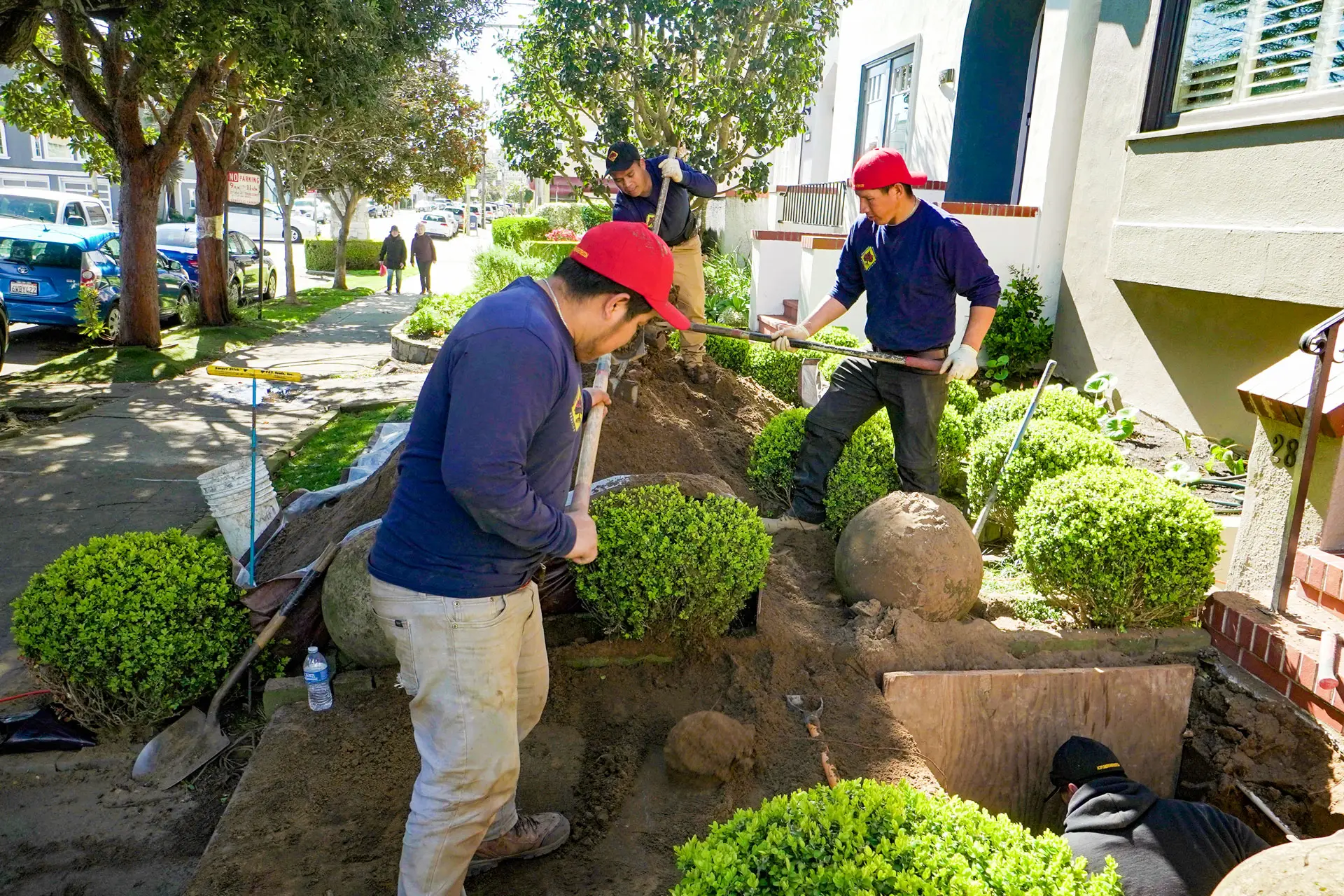
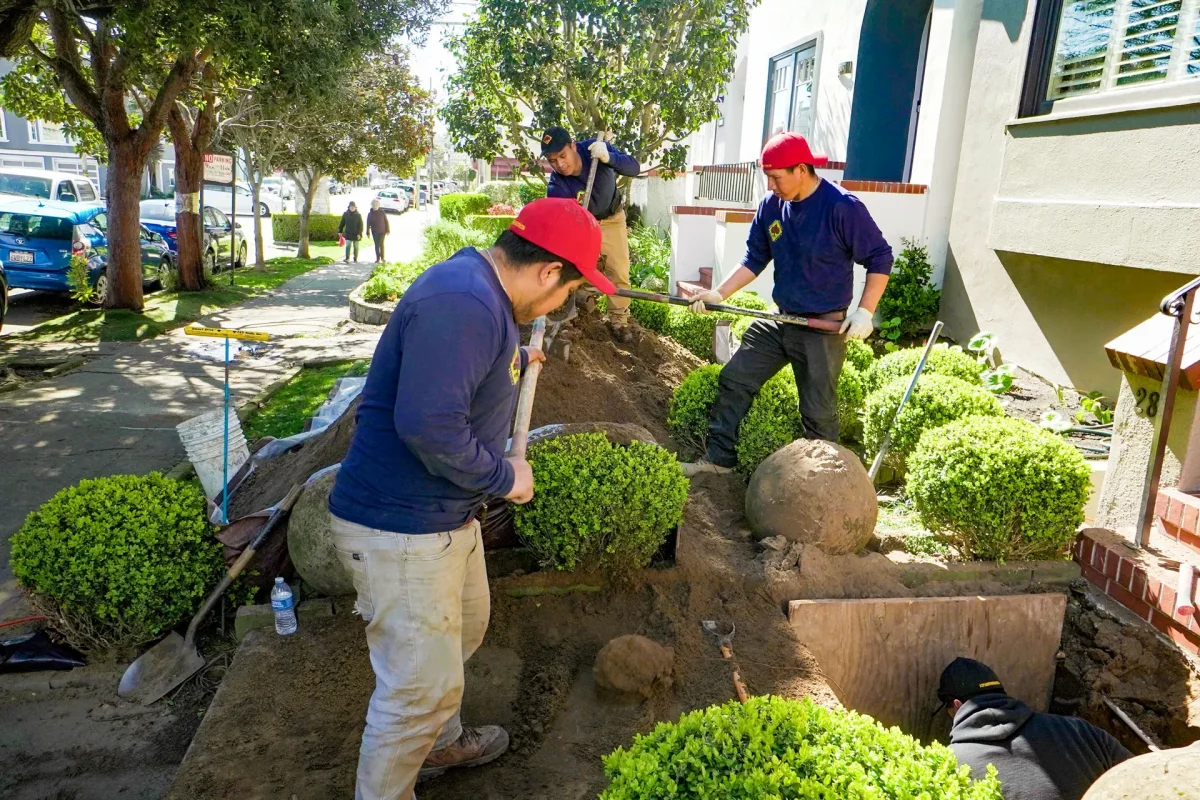
- A conventional sewer line replacement involves digging a trench along the full length of the sewer line lateral from the house to the city connection. This may involve the removal and replacement of landscaping or hardscaping above the sewer line, including concrete slabs, asphalt, brick driveways, stonework, gardens, landscaping, sidewalk, and a portion of the city street.
- A spot sewer line replacement involves replacing a section of the sewer line lateral if a great portion of it remains intact. This is a cost effective option for a line with isolated damage.
- Trenchless sewer replacement is a viable option if there is a path to pull our new polyethylene pipe through most importantly, without bellies (or dips in the line). This will be determined during the video inspection.
What factors will determine how much a sewer line replacement costs?
- DEPTH of the sewer line lateral will determine how much digging is necessary to reach the work site. In some cases, trenching can be done with shovels, in other cases a backhoe or heavier equipment may be needed.
- LENGTH of the compromised sewer line, as stated, will determine how much replacement pipe or polyethylene liner is needed, along with the corresponding labor. If the compromised line is made of Mid Century Orangeburg (wood pulp and tar), a full cast iron pipe replacement will likely be the only option as Orangeburg pipes were only designed to last 40-50 years.
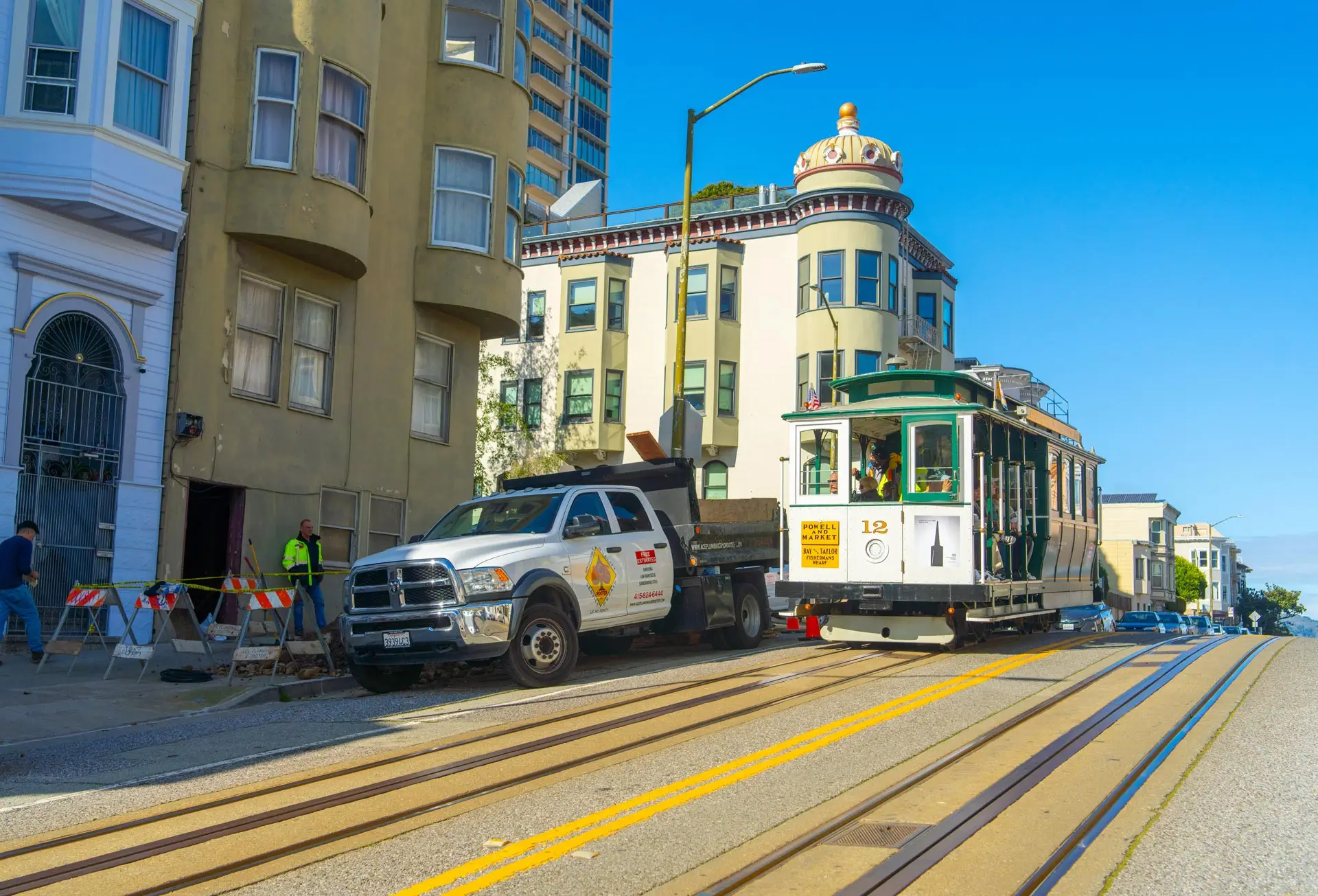
- LOCATION of the compromised sewer line, as hill slope and the presence of concrete, brick, or other landscaping that must be removed to complete the project. If your home is in a certified flood zone, additional considerations must be addressed, which we will get to below.
What Drives the Price Up or Down for Trenchless Sewers?
One of the top drivers of price escalation is impact to the public right of way. If any portion of your lateral runs under the public sidewalk or street — which it almost always does in San Francisco — the work may require a Side Sewer Permit from SF Public Works for the portion between your property line and the city’s main, in addition to a general excavation/plumbing permit for the portion on your property.
A Side Sewer permit allows a contractor to install a sewer lateral within the public right of way, covering the scope of work from the sewer trap toward the roadway and up to the sewer main.
A qualified repair contractor must carry a Street Excavation Bond of at least $25,000, filed with the Department of Public Works. This guarantees the city that the work will be completed in a timely manner and that the concrete will be replaced according to city standards.
How to calculate the cost of a sewer line repair or replacement at your home
Every sewer lateral is different — even two homes on the same block can have completely different pipe conditions, depths, and lengths. ACE Plumbing and Rooter will visit your property and provide a free, no pressure estimate based upon the data we’ll input from a video inspection and site walk. We’ll discuss the pros and cons of each available option with you so you can make an informed decision. We stand by our word and our work, and that’s evident in our customer reviews.
Frequently Asked Questions
Is trenchless sewer replacement cheaper than traditional excavation?
The per-foot price of trenchless work can be similar to or slightly higher than traditional sewer lateral replacement, but once you factor in restoring landscaping, driveways, sidewalks, or hardscape after an open trench dig, trenchless is usually the more cost-effective option overall. The greater value comes from how long trenchless sewers can last. Polyethylene pipes are seamless, unlike cast iron pipes which are joined by couplings every 10 feet. This allows greater resistance to tree root intrusion, as roots are drawn to moisture sources and most sewer line moisture escapes at connection points. Also, polyethylene pipe is flexible, allowing the pipe to ebb and flow with gradual soil shifts. So long-term, a polyethylene sewer can last longer than cast iron.
How long does trenchless sewer replacement take?
Most residential trenchless jobs are completed in a single day to a few days, compared to a week or more for traditional excavation and restoration.
Can every sewer line be replaced trenchlessly?
Not always. Pipe lining requires a host pipe that’s still structurally round and intact enough to accept a new pipe. Severely collapsed, badly offset, or crushed pipe may need a spot replacement before a trenchless sewer can be installed.
Do I need a permit for trenchless sewer replacement in San Francisco?
Yes. Because the sewer lateral typically crosses public property, both a plumbing/excavation permit for the private portion and a Side Sewer Permit through SF Public Works for the public right-of-way portion are generally required. Ace Plumbing and Rooter will secure all necessary permits for this work.
How long does trenchless piping last?
Trenchless sewers will typically last as long as cast iron pipes, 50-75 years, in ideal conditions. They fare better than cast iron in terms of resisting tree root intrusion and being able to ebb and flow with minor soil shifts. A major earthquake or human error during landscaping or construction work can prematurely end a sewer line’s structural integrity.
What’s the first step if I suspect a sewer line problem?
A video camera inspection. It’s the only reliable way to confirm the cause (root intrusion, collapse, offset joints, corrosion) and determine whether trenchless repair is an option before any pricing can be discussed.