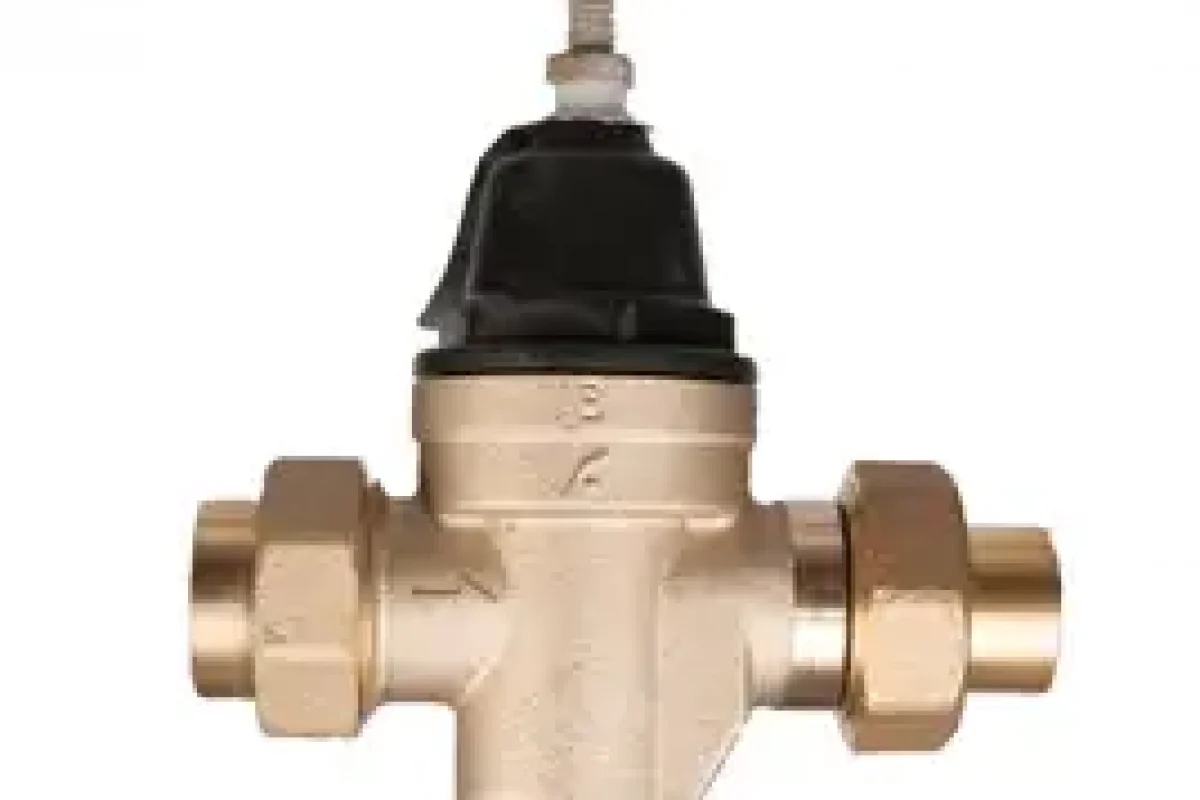
What’s Inside a PRV (Pressure Reducing Valve) and Why They Fail
You may have never noticed the small bell-shaped device that sits quietly inside your home, but the PRV – Pressure Reducing Valve – plays a big role in protecting your home from pipe bursts and flooding.
PRV’s: Pressure Reducing Valve versus Pressure Relief Valve
Yes, there are two valves commonly referred to as PRVs inside your home. The Pressure RELIEF Valve is affixed to your hot water heater. This valve keeps your hot water tank from exploding should the pressure build up inside the unit, typically due to a blocked water line. We’ll discuss the importance of maintaining this valve in a future post.
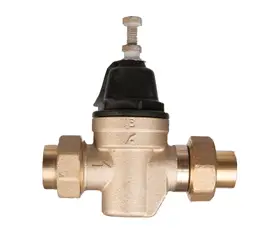
The PRV we’re discussing today, the Pressure REDUCING Valve, is typically found close to the main water shut off valve in your basement or behind a panel in the wall. This PRV constantly regulates a consistent water pressure inside your home – using a metal spring instead of a computer chip.
What does a Pressure Reducing Valve do?
The pressure reducing valve helps your house safely connect to the municipal water supply. The city requires a higher water pressure throughout the system to get potable water from towers and pump stations to every house and business on the grid.
In San Francisco, the city uses variable water pressure in 24 different zones to overcome the hilly terrain and valleys throughout the city. This means the water pressure right outside your home might range from 30 to 130 psi (pounds per square inch) depending on your address.
The PRV reduces the municipal water pressure to a more suitable level for indoor pipes, faucets, fixtures, laundry machines, and dishwashers – typically 50 to 60 psi. Anything over 80 pounds is considered excessive and fixtures are not designed to run at those pressures.
When the adjustment screw atop the device is turned – even by a millimeter – the spring inside the valve fine tunes to react as needed to pressure changes on the outside water line. Constant spring movement adjusts the amount of water that enters the house much like how a bouncer controls how many people enter a nightclub at any given moment.
When outside pressure drops, more water is let in to bring the inside pressure back to the desired amount. When outside pressure surges, the spring tightens, restricting water flow inside. When it’s working properly, you’ll never notice the difference, just the consistent water pressure you’re used to – free of explosive pops or faint trickles.
Signs your Pressure Reducing Valve might need repair or replacement
Should the PRV fail, pipes throughout your home are in danger of bursting. A surge in pressure can also damage your dishwasher or washing machine, plus the extra pressure will shorten the lifespan of your fixtures and water heaters. Thankfully, in many cases, there are signs that it’s time to repair or replace your PRV.
- First – it might make a strange noise – there’s a diaphragm at the base of the unit – in many ways similar to the one inside your body. Just like your body might make gurgling noises when you’re sick or nauseous, this device might emit a hammer type clanging, a steady or uneven knock, or a humming sound.
- You may also see water leaking around the valve where it connects to the water line.
- Visible signs of corrosion include rust or lime scale – typically near pipe connections.
- Finally, you might notice low, high, or uneven water pressure.
- If the valve fails in the closed position, you will have no water pressure inside the house even though the main connection is still on.
If you notice ANY of these symptoms, call Ace Plumbing and Rooter right away so we can diagnose and fix the problem before there’s any water damage to your house. If your PRV is leaking, the pressure is off, or varying a lot, turn the main water valve OFF a quarter turn until we arrive. No water service inside the home is an inconvenience, but it’s a much better alternative to an interior flood and all the damage to flooring, cabinets, drywall, and personal property that comes with it.
How long do PRVs last?
A well maintained PRV should last between 10 and 15 years – perhaps up to 20 – so if yours is getting up there in age or performance, ACE Plumbing and Rooter can easily manage its replacement.
We can work PRV care into an existing service call to address other plumbing issues or make a quick visit to address the PRV. No matter how big or small your plumbing issues are, ACE offers competitive rates and fast, friendly service.